
Skip to content
20140715160405-eac5de93-me
Gulf Coast Waterfront Development

Anchor QEA is an environmental engineering and science consulting firm working to improve the environment and our communities.
20140715160405-eac5de93-me
whales-02
Content Section


Everything you need to build a great website on HubSpot.

Lorem ipsum dolor sit amet, consectetur adipiscing elit, sed do eiusmod tempor incididunt ut labore et dolore magna aliqua.

A few favorite projects

We are engineers, scientists, and landscape architects focused on creating solutions in the environmental, coastal, civil, structural, and geotechnical realms to address the complex challenges of developing waterfront sites while meeting habitat needs and ensuring coastal resiliency.

Our full-service team includes civil, coastal, geotechnical, and structural engineers that work on myriad waterfront infrastructure projects including docks, marinas, shipyards, and bulkheads.

Building upon our national reputation for dredging and dredged material management, we are internationally renowned leaders in developing and applying groundbreaking research on tools and techniques to promote beneficial use and nature-based solutions.

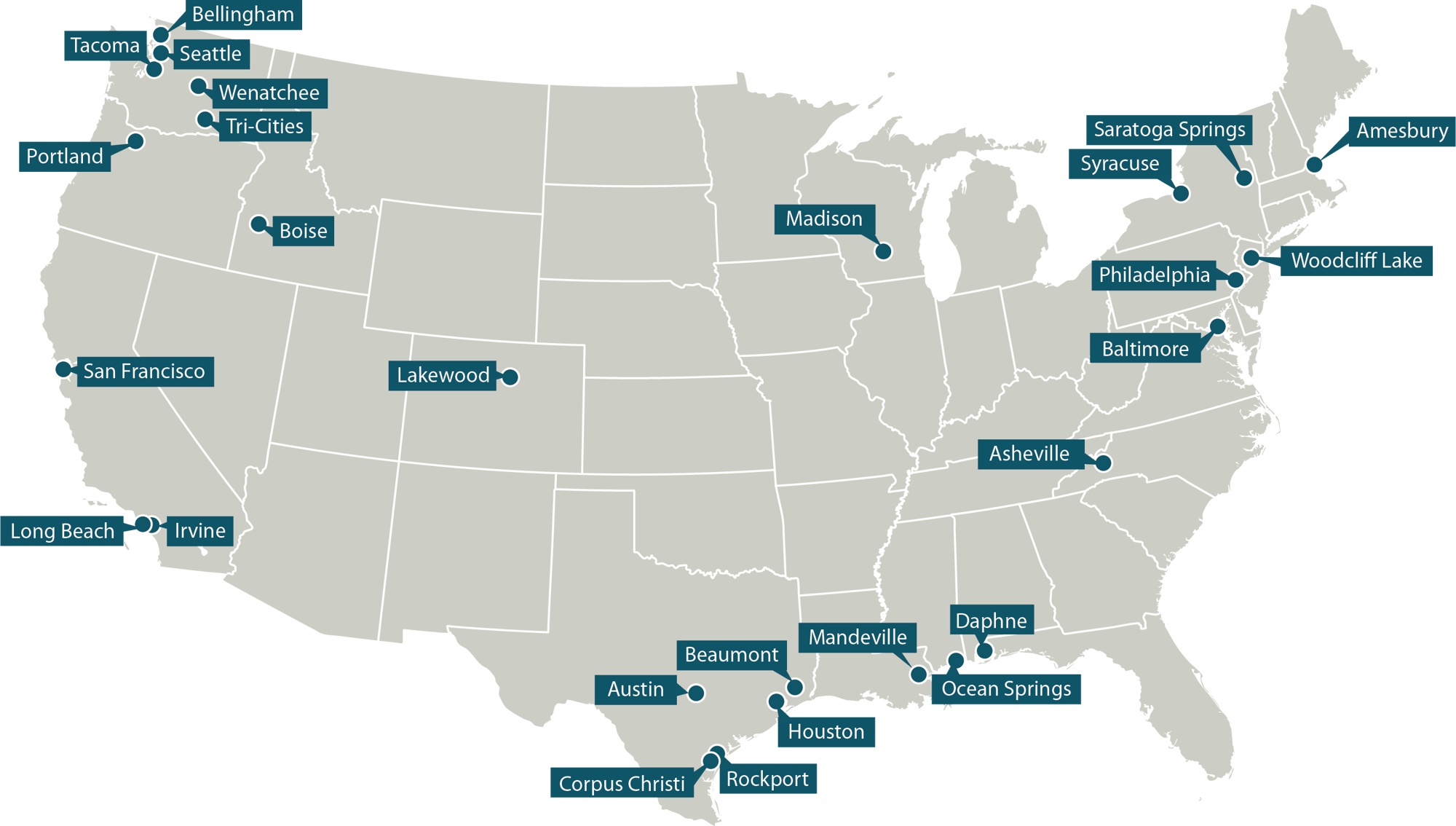
Founded in 1997, Anchor QEA has more than 500 employees in 27 offices across the United States, including seven offices in the Gulf of Mexico from Corpus Christi, Texas, to Daphne, Alabama.

Get in touch.

Services

  • Docks, marinas, shipyards, and bulkheads
  • Dredging, dredged material management, and beneficial use
  • Environmental permitting, planning, and monitoring
  • Contaminated soils and sediments remediation
  • Shoreline protection
  • Structural engineering
  • Geotechnical engineering
  • Coastal engineering
  • Construction management
  • Nature-based solutions and living shorelines
  • Passing vessel analysis
  • Sedimentation rate modeling

Gulf Coast Projects

Cedar Port Channel Development

Cedar Port Channel Development

Galveston Bay, Texas

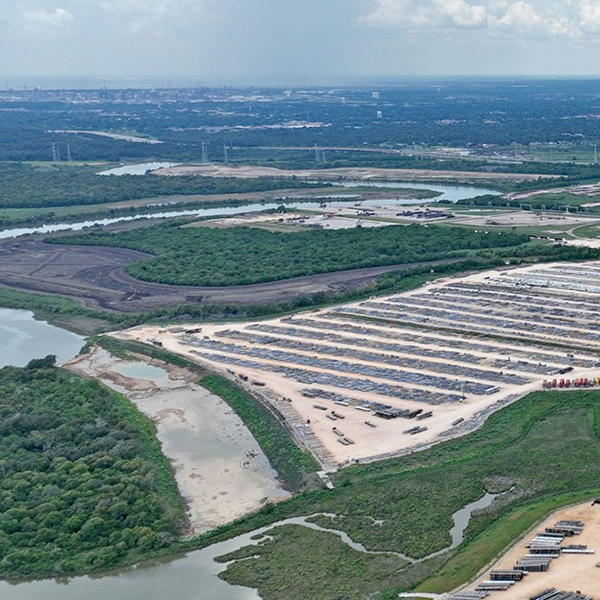
Anchor QEA is leading the development of a deep draft navigation channel in Galveston Bay for the Cedar Port Improvement and Navigation District, the non-federal sponsor.

Working in partnership with USACE under the Federal Planning Section 203 Program, an integrated feasibility study and environmental impact statement is in development to evaluate routes for excavating a 50-foot-deep ship channel to serve a planned container terminal at the mouth of Cedar Bayou. 

Technical studies also being conducted include hydrologic, hydraulic, and sediment transport modeling; chemical and geotechnical testing; habitat mapping; cultural resources; and mitigation.

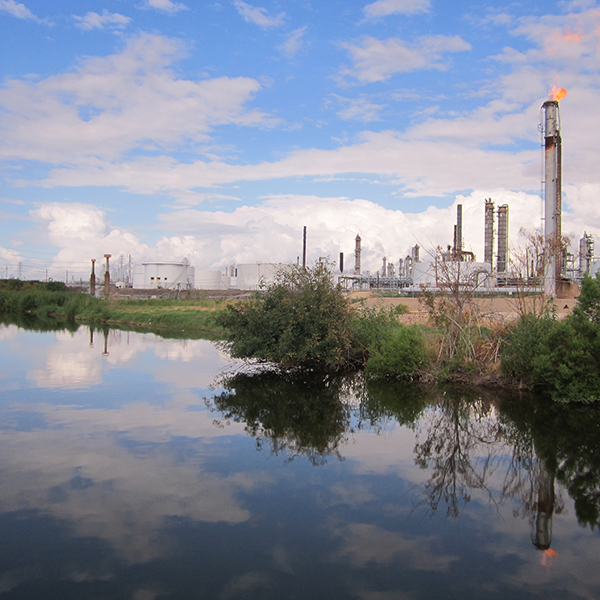
Patrick bayou 600

Patrick Bayou Remediation 


Deer Park, Texas

Patrick Bayou, a tidal bayou that flows into the Houston Ship Channel, required remediation due to potential contamination from polychlorinated biphenyls, dioxins, furans, polycyclic aromatic hydrocarbons, and metals.

The Patrick Bayou Joint Defense Group retained Anchor QEA to conduct a feasibility study and investigate remedial options for the Patrick Bayou Superfund site. Anchor QEA built a hydrodynamic and sediment transport model to evaluate natural recovery options and provide important information for dredging and capping alternatives.

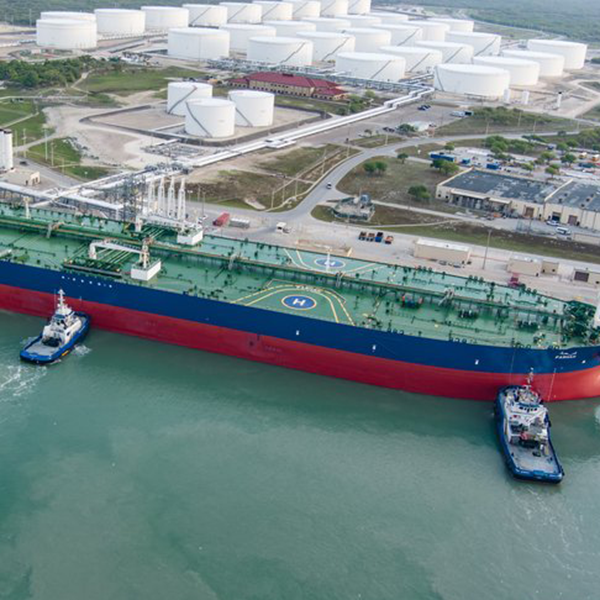
enbridge 600

Blue Ammonia Facility Discharge

Ingleside, Texas

Anchor QEA is assisting Ingleside Clean Ammonia Partners, LLC, with planning related to the Ingleside blue ammonia plant at Enbridge Ingleside Energy Center. Anchor QEA is supporting the preparation of a Texas Commission on Environmental Quality Texas Pollutant Discharge Elimination System permit.

Blue ammonia facilities need cooling water, and, accordingly, this facility will intake bay water for cooling and will discharge the water back to the bay. Anchor QEA is completing mixing zone modeling to support Anchor QEA’s discharge diffuser design and to demonstrate that the water returning to the bay is compliant with regulations and standards protective of bay conditions. Specifically, mixing zone modeling and diffuser design are intended to achieve and demonstrate that salinity and temperature values of the return water meet state water quality standards.

San JAcinto

San Jacinto River Waste Pits

Harris County, Texas

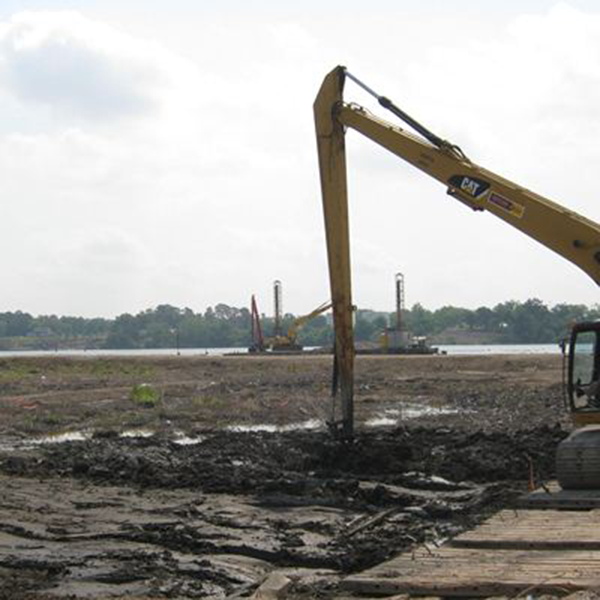
Legacy pulp and paper waste at the San Jacinto River Waste Pits Superfund site required stabilization to prevent further contamination. The time-critical removal action project involved installing an armored cap over the historical waste impoundment to stabilize the site.

Anchor QEA provided a variety of services, including project coordination, engineering evaluation and design, agency negotiation, and construction oversight. The project was completed more than a month ahead of schedule with no health and safety incidents.

Alcoa 600

Lavaca Bay Remediation

Point Comfort, Texas

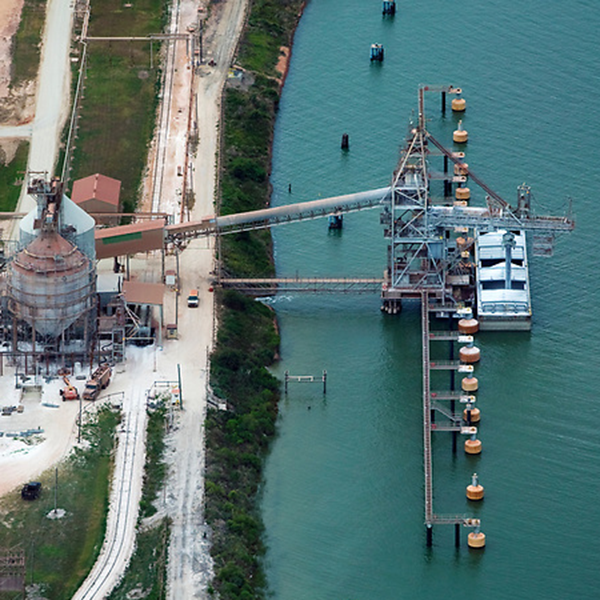
As part of the Lavaca Bay sediment remediation program, Alcoa, Inc., retained Anchor QEA to lead a feasibility study and sediment remediation efforts.

Anchor QEA designed and implemented a dredging treatability study, which removed 70,000 cubic yards of contaminated sediment in an upland confined disposal facility and 10,000 cubic yards using a hydraulic dredge. Sediment was disposed of in an upland facility.

Water quality impacts were monitored as well as residual sediment concentrations left after dredging. Anchor QEA continues to lead the long-term monitoring program for the facility.

Patrick bayou

Port of Pascagoula 

Jackson County, Mississippi

Anchor QEA has worked with the Port of Pascagoula to support dredging needs and other issues related to sediment management. At Terminals E and F, testing performed by USACE revealed the presence of nonbioavailable lead and other metals.

Anchor QEA prepared a work plan for the Mississippi Department of Environmental Quality to use a confined aquatic disposal site for placement of dredged material and then developed and managed a plan that allowed the project to be completed ahead of schedule and under budget.

Gulfport-2

Port of Gulfport 

Gulfport, Mississippi

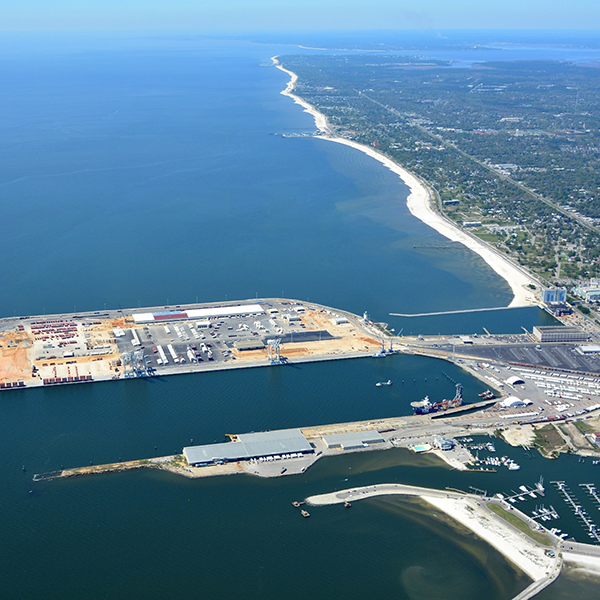
The Port of Gulfport required sustainable solutions for long-term dredging and shoreline protection. Anchor QEA has provided engineering services, including shoreline protection design, coastal condition evaluations, and loadings to nearshore structures, for the Mississippi State Port Authority to support the numerous operational needs.

In addition to studies for a third-party environmental impact statement and a consultation on USACE channel improvement options, Anchor QEA developed a state-supported beneficial use program to address 20-year maintenance dredging volumes.

Houston edited-01

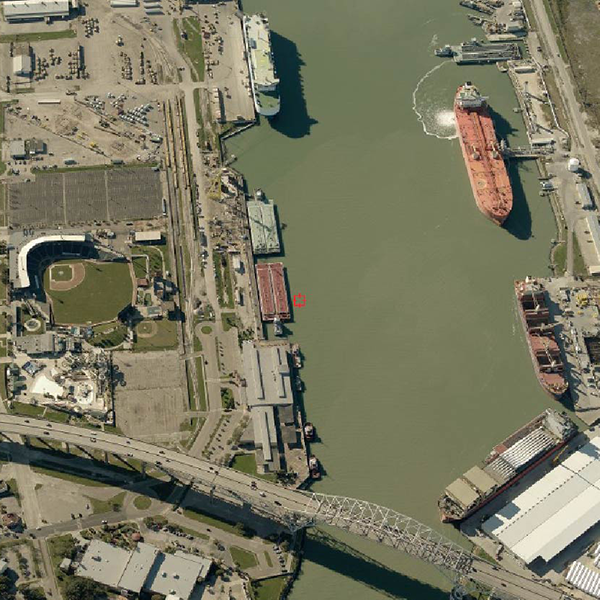
Port of Houston Improvements

Houston, Texas

Following Hurricane Ike, numerous repairs and channel improvements were needed to protect critical infrastructure and restore safe navigation at the Port of Houston. Anchor QEA provided coastal engineering and oversight for multiple design-build contracts, including traditional upland placement areas, ecosystem restoration projects, and shoreline stabilization constructed as part of the Houston-Galveston Navigation Channel widening and deepening project.

Bean tract edited-01

Calhoun Port Authority Mitigation

Point Comfort, Texas

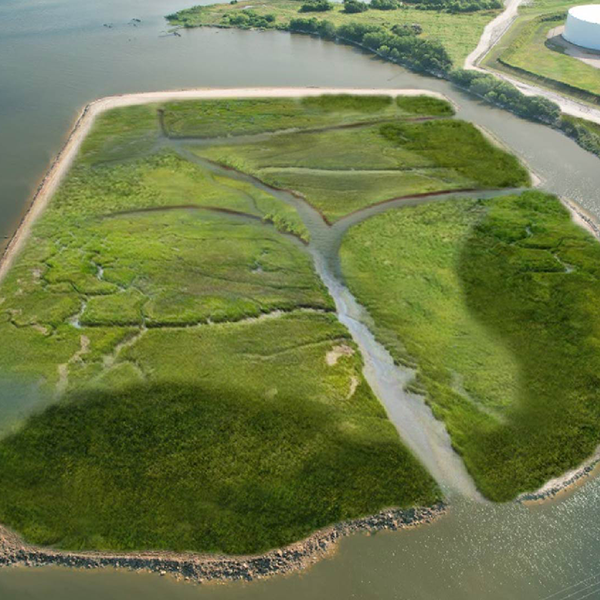
Anchor QEA led concept design and permitting for a constructed wetland known as Bean Tract on the shore of Lavaca Bay. The project fulfilled a mitigation requirement to offset impacts from the Port's channel deepening.

In addition to the design and permitting tasks, Anchor QEA staff are assisting with construction management and water quality monitoring and will lead the planting tasks once construction is complete.

Berry Island edited-01

Berry Island

Corpus Christi, Texas

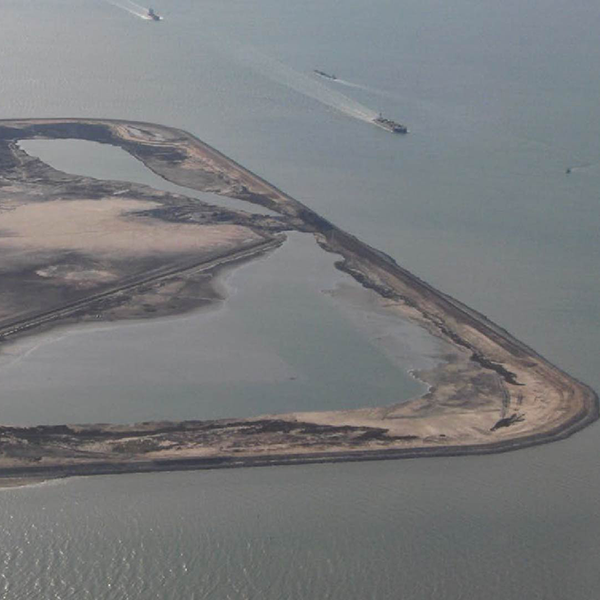
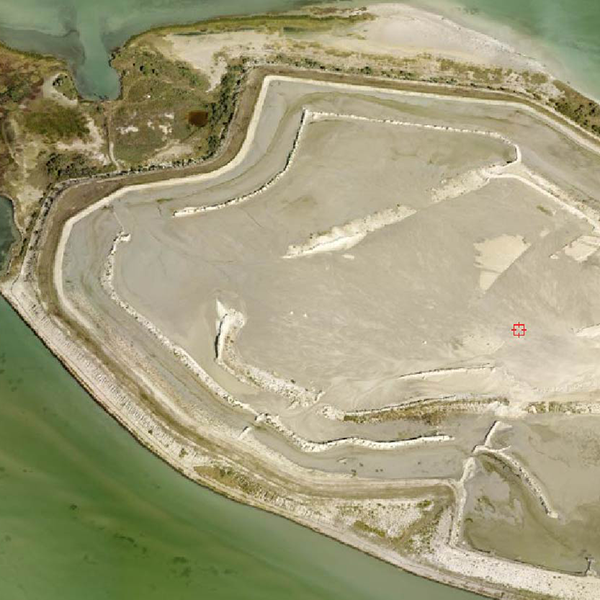
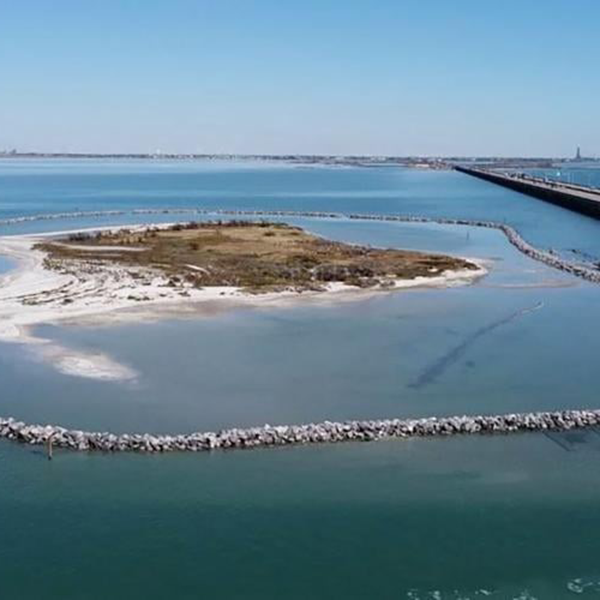
Anchor QEA is supporting Enbridge Ingleside with dredged material management services. This includes management of an off-site dredged material placement area. Site evaluations were conducted, and modifications were implemented to improve drainage and storage capacity and to reduce the potential for loss of fines from the discharge point.

Port of corpus christi edited-01

Port of Corpus Christi 

Corpus Christi, Texas

Anchor QEA supports the Port of Corpus Christi through an on-call agreement to provide permitting services for dredging, facility upgrades, and restoration projects. Specific services include wetland and other habitat mapping, mitigation equivalency calculations, permit applications for marine and nearshore construction projects, and dredged material placement recommendations.

Texas Dredged Material BU plan

Texas Dredged Material Beneficial Use Master Plan

Texas Coast

Ducks Unlimited retained Anchor QEA to develop a long-term master plan document to align regional dredging projects with pre-selected coastal restoration programs.  The goal of this initiative is to bring together planned dredging projects that will generate sediment with coastal protection, nourishment, and restoration programs that need material.  This effort is jointly sponsored by the Texas Department of Transportation and USACE.

National Projects

scorpion pier

Scorpion Pier Replacement

Santa Cruz Island, California

On behalf of the National Park Service, Anchor QEA led environmental planning, permitting, compliance, engineering design, and construction oversight for a 300-foot-long steel superstructure that accommodates 300,000 annual park guests for the Scorpion Pier ferry service on Santa Cruz Island in Channel Islands National Park.

Hyde Street Pier edited-01

Hyde Street Pier

San Francisco, California

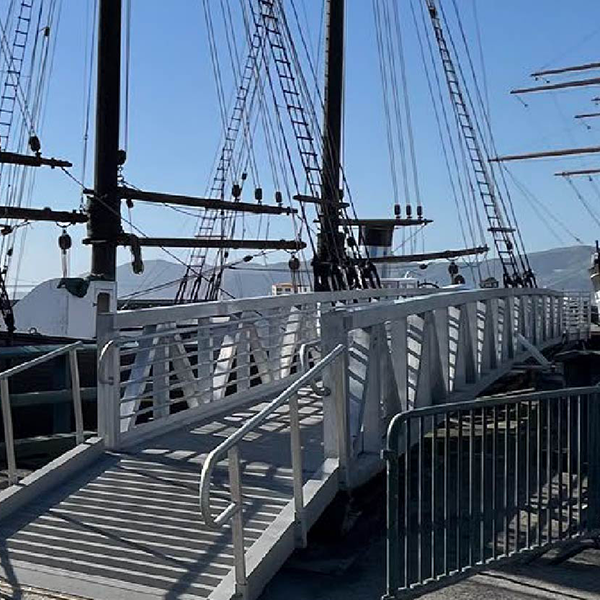
Anchor QEA was contracted by the National Park Service to design and permit several Hyde Street Pier projects in support of the fleet of National Historic Landmark-listed vessels moored at the pier. Specific projects have included dock replacement, mooring systems replacement, and gangway replacement. Anchor QEA is currently leading the effort to study replacement of the entire pier structure.

Anacapa-2

Anacapa Island Wharf Replacement

Channel Islands National Park, California

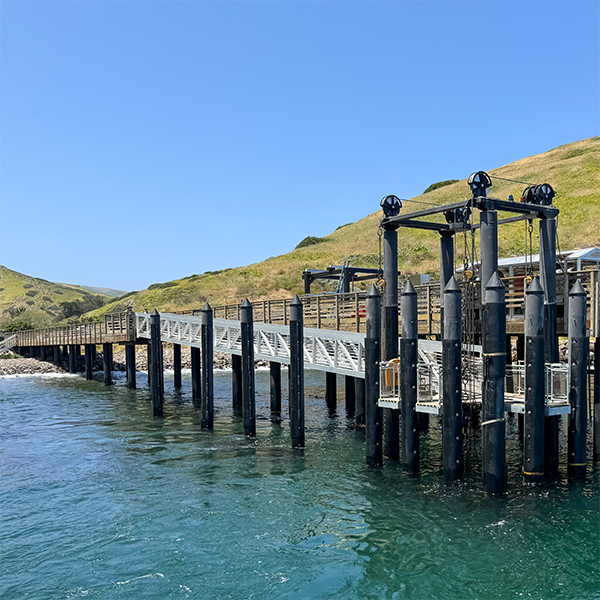
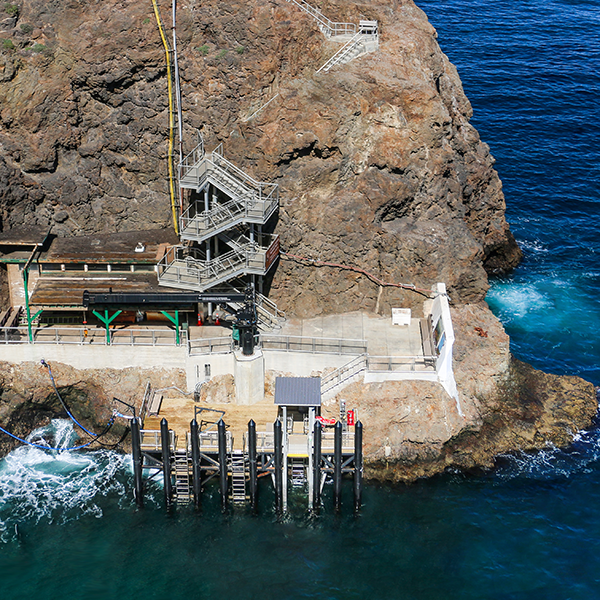
Anchor QEA assisted the National Park Service in replacing an 80-year-old structurally deficient timber wharf. This involved the design and installation of a unique cantilevered dock system in volcanic rock, featuring a partially enclosed elevator lift for safer access.

The design also accommodates future sea level rise with a flexible piling system. The replacement will improve safety of visitor and staff access; enhance the visitor experience; and preserve natural, cultural, and environmental landscape characteristics.

Port of hueneme

Port of Hueneme Beneficial Reuse

Port Hueneme, California

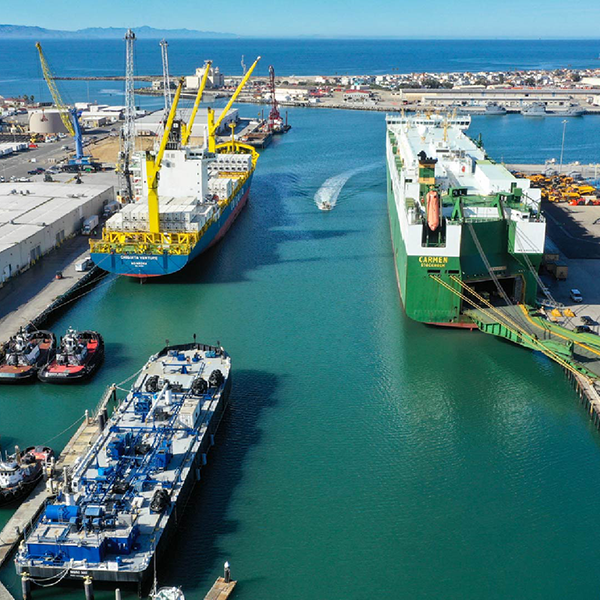
The project entailed excavating a 653,975-cubic-yard confined aquatic disposal (CAD) cell, nourishing a nearby beach with the excavated material, placing contaminated sediment dredged from the harbor in the CAD cell, and capping the CAD cell with clean sediment and a layer of armor rock.

The Port retained Anchor QEA to manage the engineering design, conduct environmental reviews, provide permitting services for maintenance dredging and construction of a multiuser CAD site, and conduct long-term monitoring of the CAD site. 

Hueneme Wharf Edited-01

Port of Hueneme Wharf Improvements

Port Hueneme, California

Anchor QEA is assisting the Port in a harbor deepening project that includes design and construction oversight of wharf improvements to support deepening from 35 to 42 feet. Anchor QEA also led the characterization, design, and permitting for dredging the wharf face after the improvements.

San Diego Shipyard

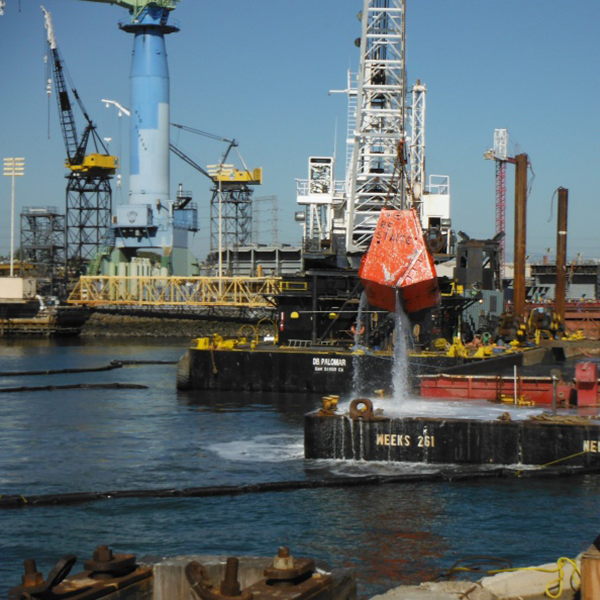
San Diego Shipyard Sediment Remediation

San Diego, California

Anchor QEA was retained by de maximis, inc., to support the San Diego Bay Environmental Restoration Fund feasibility study, cleanup negotiations, and sediment remediation. The overall project resulted in the removal of approximately 150,000 cubic yards of impacted sediment using mechanical clamshell and cable-armed bucket dredging methods and placement of approximately 50,000 tons of clean sand cover material.

MPA

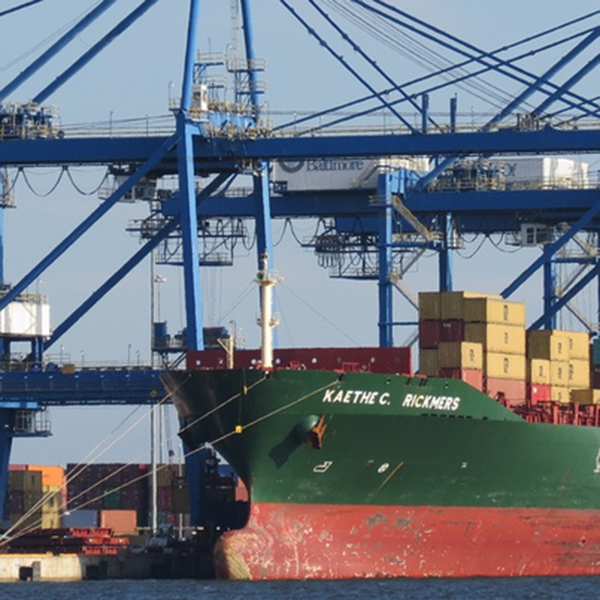
Maryland Port Administration Engineering 

Baltimore, Maryland

Anchor QEA has collaborated with Maryland Environmental Services and the Maryland Port Administration on a wide range of dredging and coastal engineering, environmental planning, and remediation projects to provide ongoing strategic and innovative support to the Dredged Material Management Program.

Long Beach middle harbor edited-01

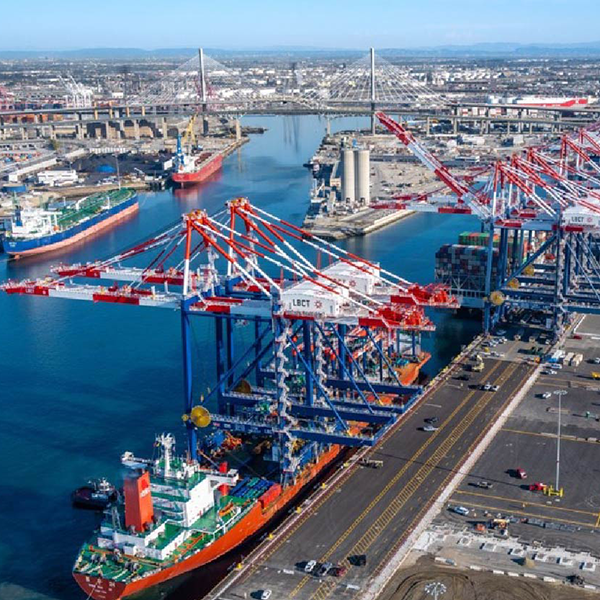
Port of Long Beach Middle Harbor

Long Beach, California

Anchor QEA assisted in the development of one of the largest container terminals in the world. The Middle Harbor Terminal at the Port of Long Beach includes more than 300 acres of backland space and cost more than $1.3 billion.

Anchor QEA supported the engineering design and permitting phase of the project and the construction management by leading fill site management for all imported materials.

Pier wind 600

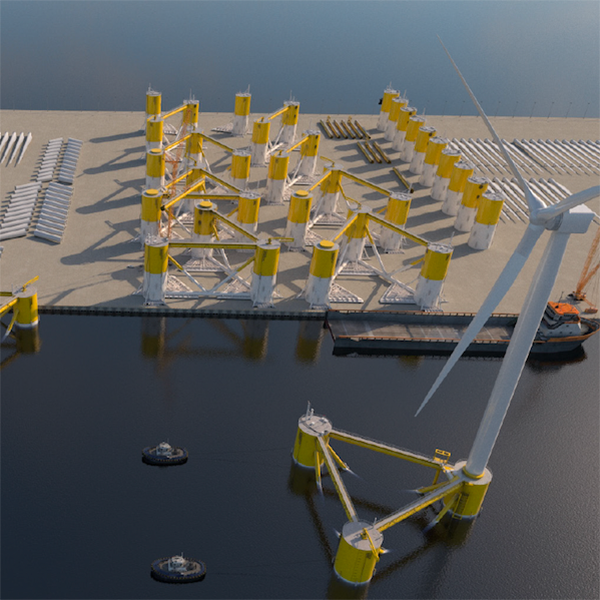
Port of Long Beach Pier Wind Terminal

Long Beach, California

Anchor QEA is supporting the development of a 400-acre fill site that will house operations to implement and maintain several offshore wind leases in California's Central Coast. Anchor QEA is assisting in the California Environmental Quality Act and National Environmental Policy Act document preparation and is leading the mitigation planning program to provide the necessary credits to off-site impacts. The mitigation program alone is estimated at $140 million.

Rhine Channel edited-01

Rhine Channel Sediment Dredging

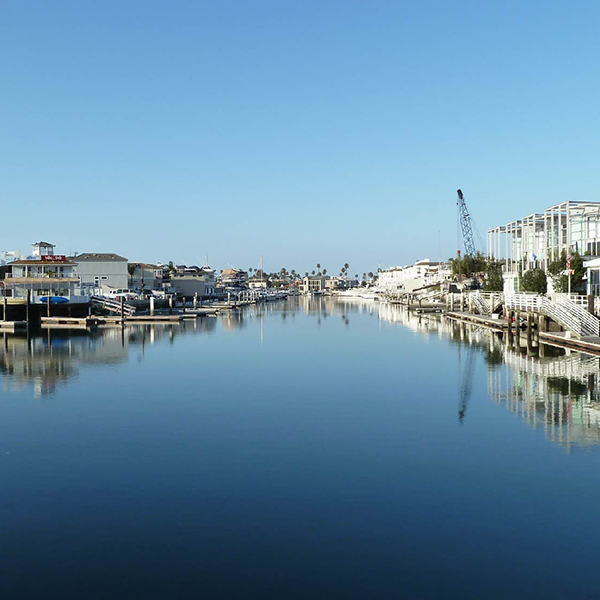
Newport Beach, California 

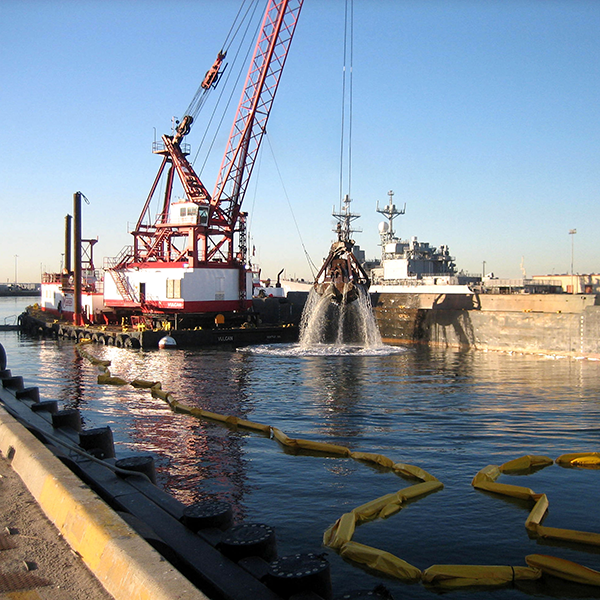
For the City of Newport Beach, Anchor QEA designed and implemented dredging of 88,000 cubic yards of contaminated sediment from the Rhine Channel and completed extensive structural replacements and upgrades as part of that work.

Dredged material disposal costs were initially prohibitive, but Anchor QEA worked with the Port of Long Beach to approve sediment disposal in the Port’s Middle Harbor Redevelopment Project confined disposal facility. This alternate disposal approach reduced disposal costs by 70%.

IR Site 7

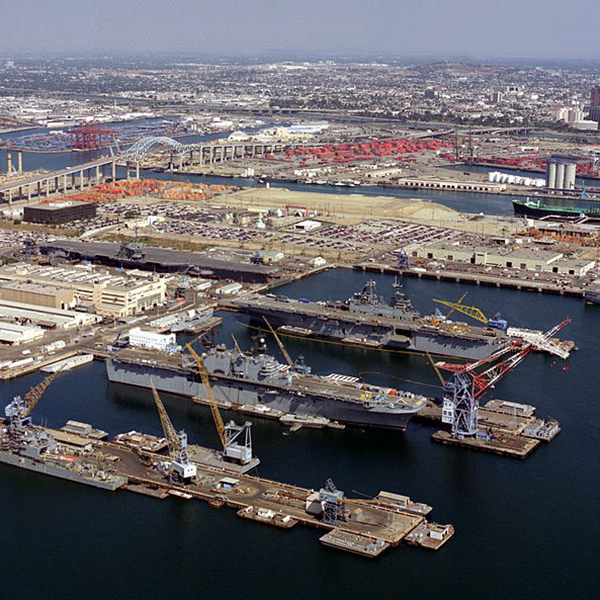
U.S. Navy Installation Restoration Program Site 7

Long Beach, California

This multiyear sediment remediation project of the former Long Beach Naval Station and Shipyard had a tremendous impact for the Port of Long Beach as the first federally mandated sediment remediation project in the region.

Divided into three Areas of Ecological Concern, this project involved dredging more than 550,000 cubic yards of contaminated sediment from the West Basin and placing it into the Port’s Pier G slip fill. Sediment disposal took place inside a confined fill area.

Anchor QEA was retained to represent the Port both internally as the project manager and externally for all agency negotiations and reporting.

Peninsula beach

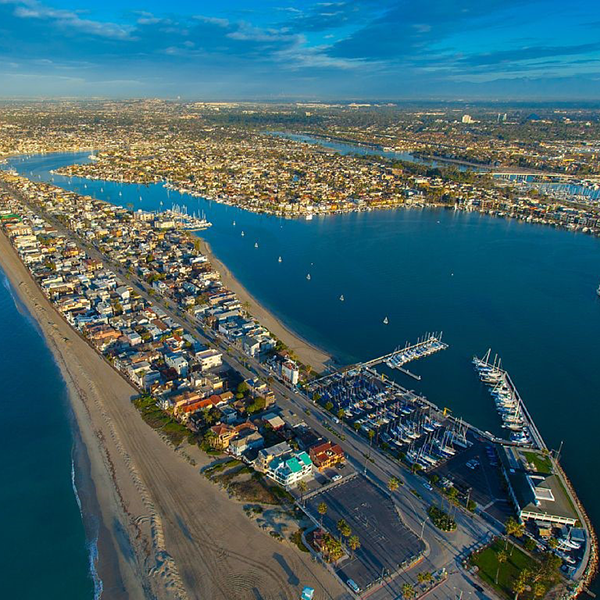
Peninsula Beach Nourishment and Protection

Long Beach, California

The City of Long Beach retained Anchor QEA to investigate and develop options for nourishing and protecting Peninsula Beach from storm damage. 

Sediment transport and wave models were developed to simulate different management options, and a full-scale pilot study was implemented to test a novel approach for transporting (backpassing) sand from areas of accretion to areas of erosion that avoided the need for haul trucks and large earthmoving equipment.  Long-term management options that include created dunes and beach grasses are also planned for the site.

We look forward to continuing the conversation.

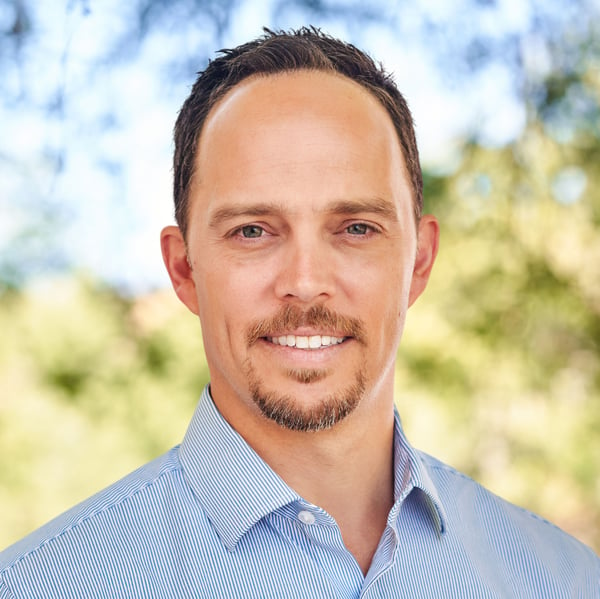
Cappellino_Steve 1345 crop

Steve
Cappellino

Senior Director, Regional Growth
(949) 322-8258
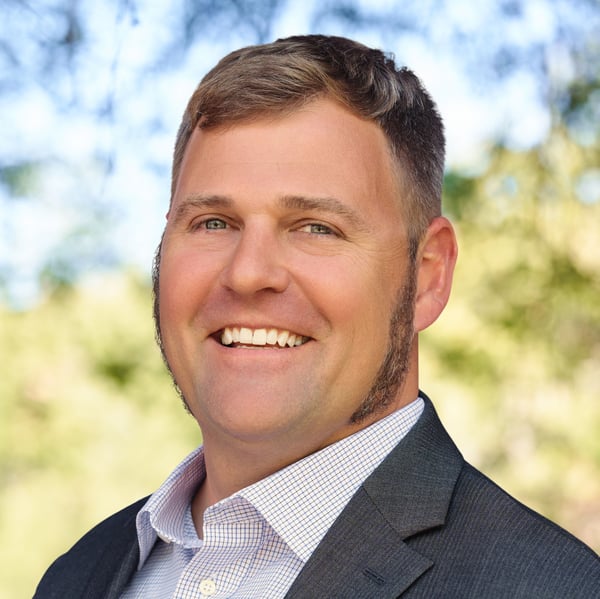
Guy_Chris 1740 crop

Chris
Guy

Principal Engineer
(512) 809-3509
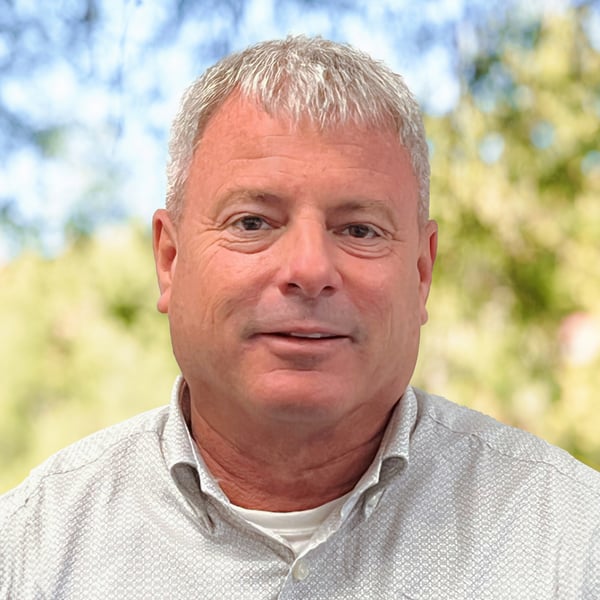
Horine_Aaron 1648 crop

Aaron
Horine

Principal Engineer
(361) 450-6945
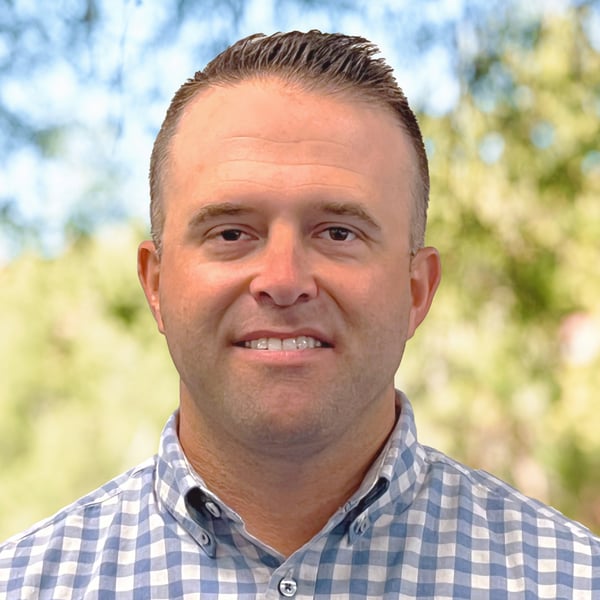
Kenney_Patrick 2024

Patrick
Kenney

Principal Engineer
(713) 814-4608
Henneke_Tyler 2024

Tyler
Henneke

Senior Managing Engineer
(713) 814-4607
Flaherty_Sara_1483

Sara
Flaherty

Managing Planner
(361) 450-6937
Anchor QEA Offices Map 2025

Explore our commitment to restoration and resiliency.